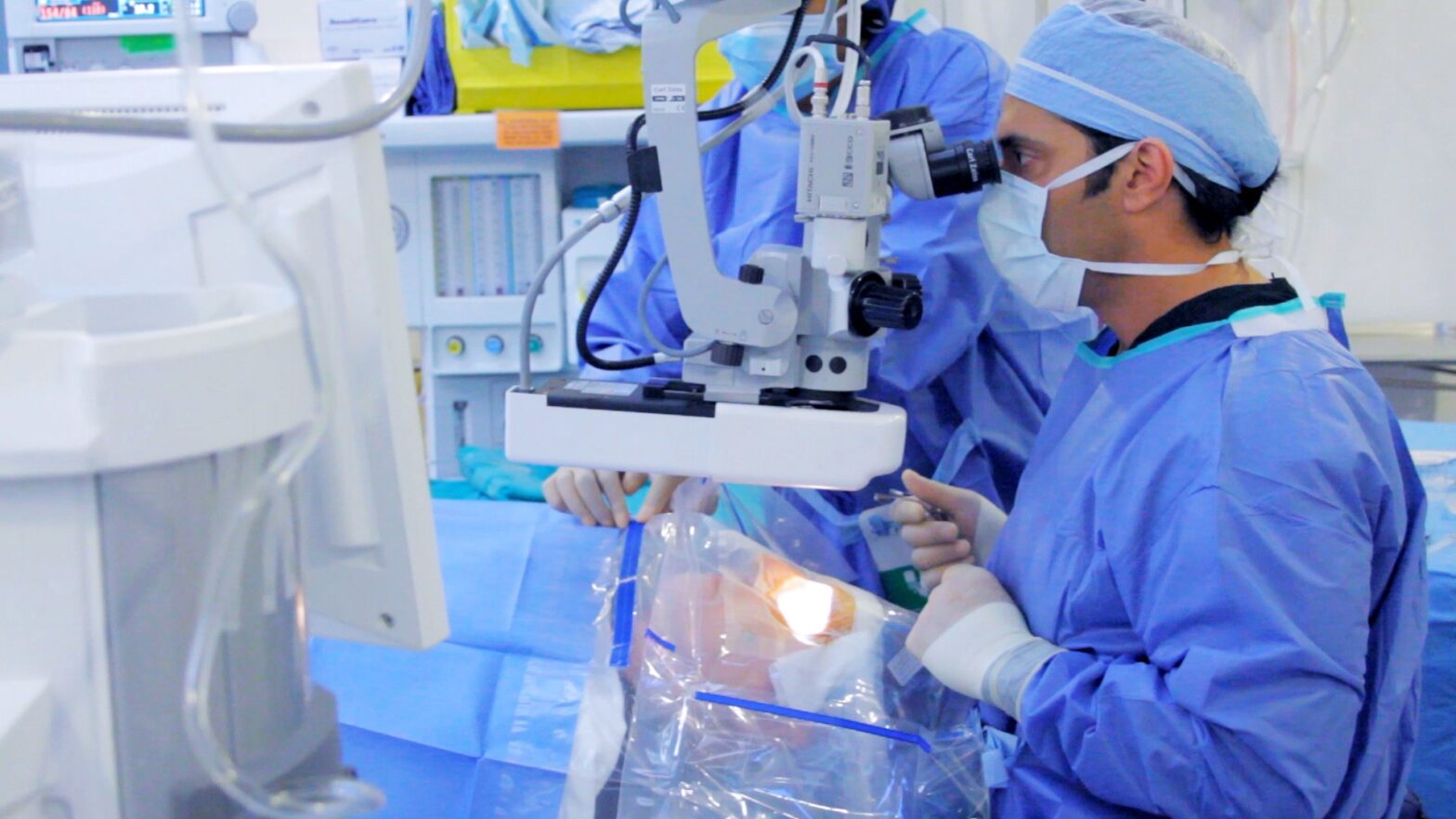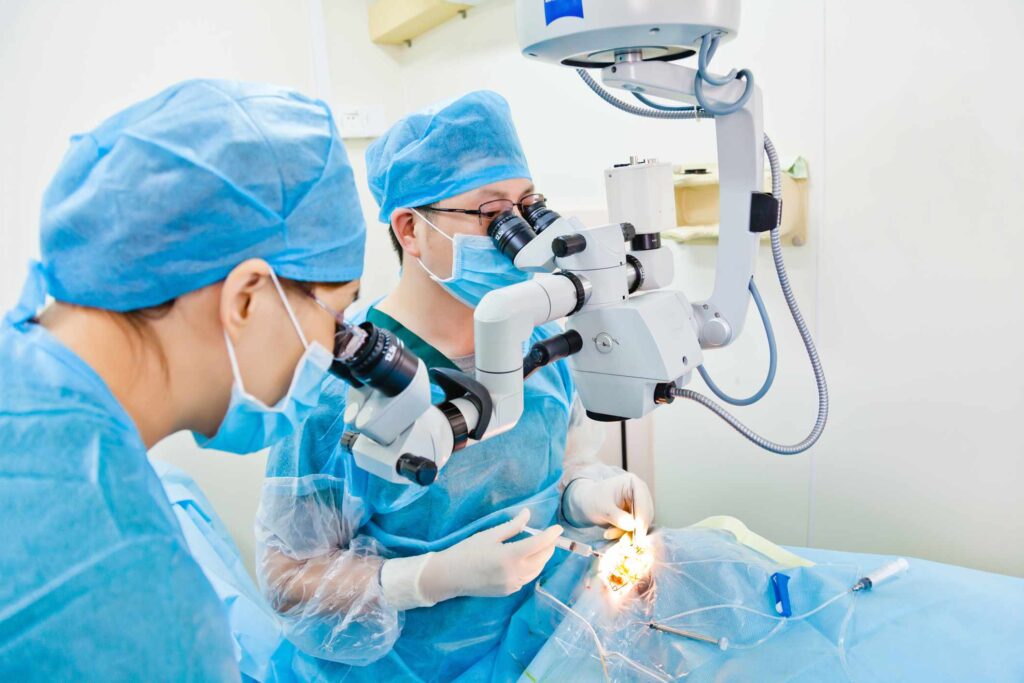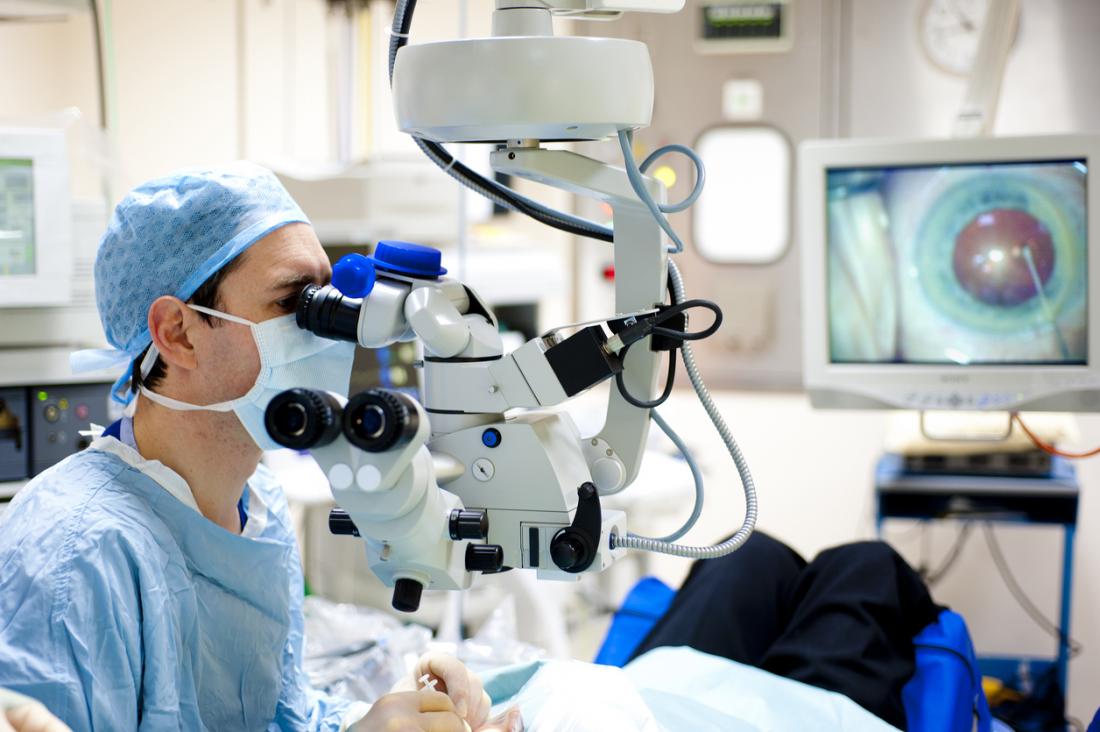
The landscape of ophthalmology is undergoing a seismic shift. For decades, managing glaucoma was a reactive process—treating the high intraocular pressure (IOP) after damage had already occurred. However, the integration of artificial intelligence is moving the needle from “management” to “prediction.”
In Australia, where glaucoma remains a leading cause of irreversible blindness, the stakes are high. How AI is predicting glaucoma progression: a new era of personalized surgery is not just a clinical headline; it is a fundamental change in how surgeons approach the operating theatre. By leveraging deep learning and retinal imaging, clinicians can now anticipate vision loss years before it manifests, allowing for surgical interventions that are custom-tailored to the individual’s biological clock.
See more: What to Expect Before, During, and After Laser Eye Surgery
What is AI-Driven Glaucoma Progression Analysis?
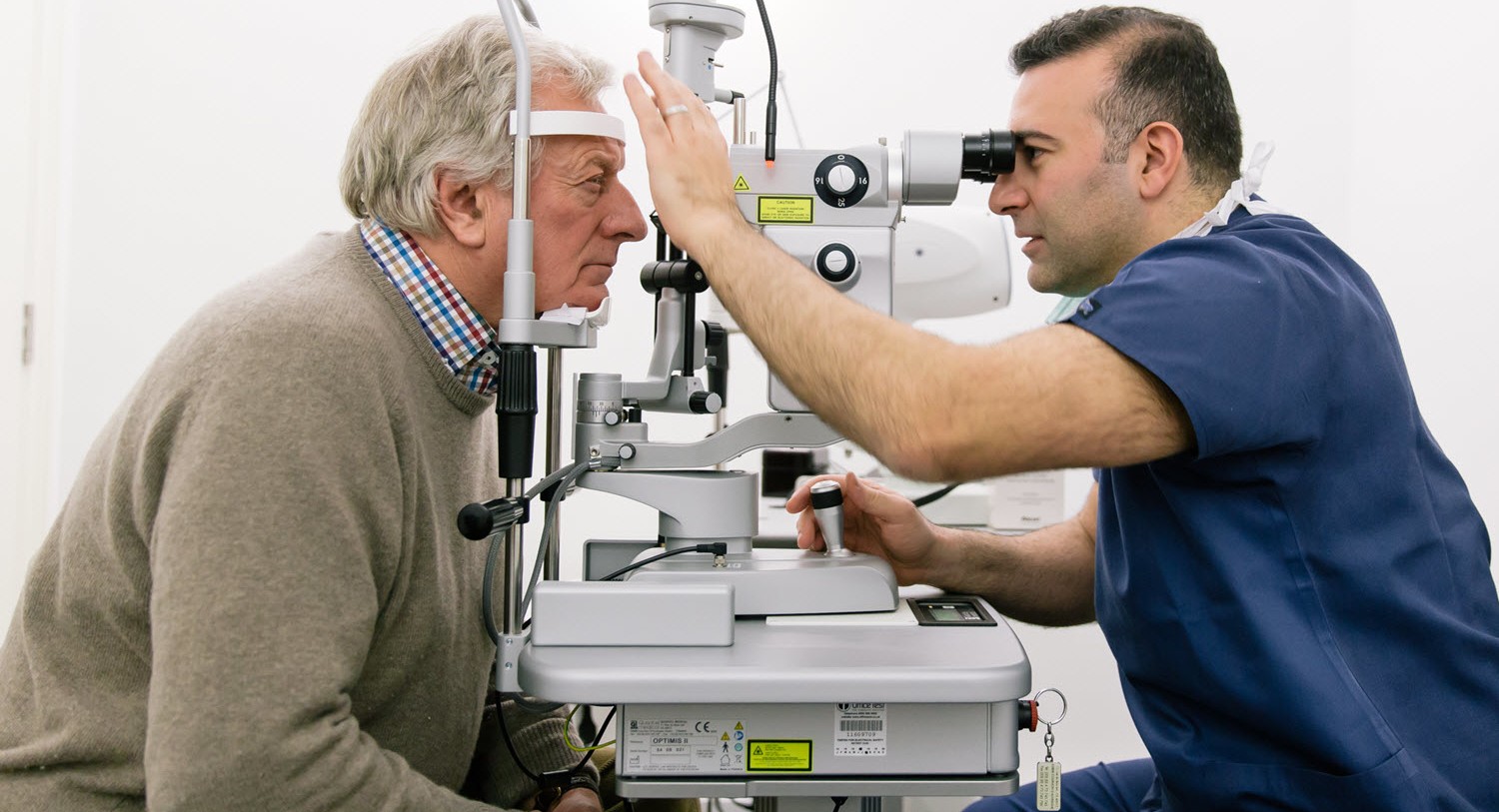
Glaucoma is often called the “silent thief of sight” because it typically lacks early symptoms. Traditionally, clinicians relied on visual field tests and Optical Coherence Tomography (OCT) scans to track changes over time.
Artificial Intelligence, specifically Deep Learning (DL), enhances this by analyzing thousands of data points within a single scan. It identifies micro-structural changes in the retinal nerve fiber layer (RNFL) that are invisible to the human eye.
Key Technologies in Predictive Care:
- Convolutional Neural Networks (CNNs): Algorithms designed to process pixel data from eye scans.
- Big Data Analytics: Aggregating global patient data to find patterns in disease velocity.
- Predictive Modeling: Calculating the “slope of decay” to determine exactly when a patient might lose functional vision.
How AI is Predicting Glaucoma Progression: A New Era of Personalized Surgery
The bridge between diagnosis and surgery has historically been a “wait and see” approach. AI changes this by providing a definitive timeline. When we discuss how AI is predicting glaucoma progression, we are looking at the transition from generalized care to a New Era of Personalized Surgery.
1. Identifying “Fast Progressors”
Not all glaucoma moves at the same speed. Some patients remain stable for decades, while others experience rapid decline. AI models can categorize patients into “slow,” “moderate,” or “fast” progressors with high accuracy. This categorization dictates whether a patient needs immediate Minimally Invasive Glaucoma Surgery (MIGS) or can continue with topical drops.
2. Tailoring Surgical Precision
Personalized surgery means choosing the right procedure at the right time. AI-driven data helps surgeons decide between:
- Laser Trabeculoplasty: For early-stage, slow-moving cases.
- MIGS Devices: For moderate cases where medication adherence is a risk.
- Filtering Surgeries (Trabeculectomy): For aggressive, high-risk progression profiles.
The Benefits of Predictive Surgical Interventions
The shift toward AI-enhanced surgery offers significant advantages for both the Australian healthcare system and the individual patient.
Enhanced Patient Outcomes
By intervening surgically at the “optimal window”—the point where the risk of surgery is lower than the risk of vision loss—patients retain a higher quality of life. AI eliminates the “too late” scenario that often plagues chronic glaucoma management.
Reduced Healthcare Burden
In Australia, the economic impact of vision loss is substantial. Predictive AI reduces the need for emergency late-stage interventions and long-term disability support by preserving functional sight through timely, personalized surgery.

| Feature | Traditional Approach | AI-Enhanced Approach |
| Detection | Based on visible damage | Based on predictive markers |
| Treatment | Step-ladder (Drops → Laser → Surgery) | Targeted (Immediate surgery for fast progressors) |
| Surgery Type | Standardized | Personalized to eye-specific data |
| Monitoring | Periodic (6–12 months) | Continuous data integration |
Real-World Use Cases in Australian Clinics
Across Sydney and Melbourne, leading eye clinics are already integrating AI software into their OCT platforms.
- Case Study: The Rapid Progressor. A 55-year-old patient showed stable IOP, but AI analysis of their RNFL scans indicated a 15% thinning trend over six months. Despite “normal” pressure, the AI predicted a visual field collapse within two years. The surgeon opted for a personalized MIGS procedure immediately, successfully halting the decline.
- Case Study: Avoiding Overtreatment. A patient with borderline high pressure was flagged by AI as a “slow progressor.” Instead of undergoing unnecessary surgery, the patient was kept on a monitoring-only track, avoiding surgical risks.
The Framework for AI-Integrated Glaucoma Care
For a clinic to successfully adopt this “new era” of surgery, a specific framework must be followed:
- Data Acquisition: High-resolution OCT and fundus photography are captured.
- AI Processing: The software compares current scans against a database of millions of previous glaucoma cases.
- Risk Stratification: The system generates a “progression map” and a predicted visual field for the next 5 years.
- Surgical Consultation: The surgeon reviews the AI’s “Confidence Score” and discusses personalized surgical options with the patient.
- Post-Operative Validation: AI monitors the success of the surgery by tracking the stabilization of nerve tissue post-op.
Best Practices for Implementing Predictive Technology
To maximize the efficacy of AI in predicting glaucoma, clinicians should adhere to these standards:
- Clean Data Entry: AI is only as good as the data it receives. Ensure imaging is clear and free of artifacts (like cataracts or “dry eye” noise).
- Hybrid Intelligence: Use AI as a “second opinion.” The final surgical decision should always be a collaboration between the clinician’s experience and the AI’s data.
- Patient Education: Clearly explain that the AI is predicting future risk, helping the patient understand why surgery may be necessary even if they “feel fine.”
Common Mistakes in AI Adoption
- Over-Reliance on a Single Scan: Glaucoma is a longitudinal disease. AI needs multiple data points over time to establish a reliable progression slope.
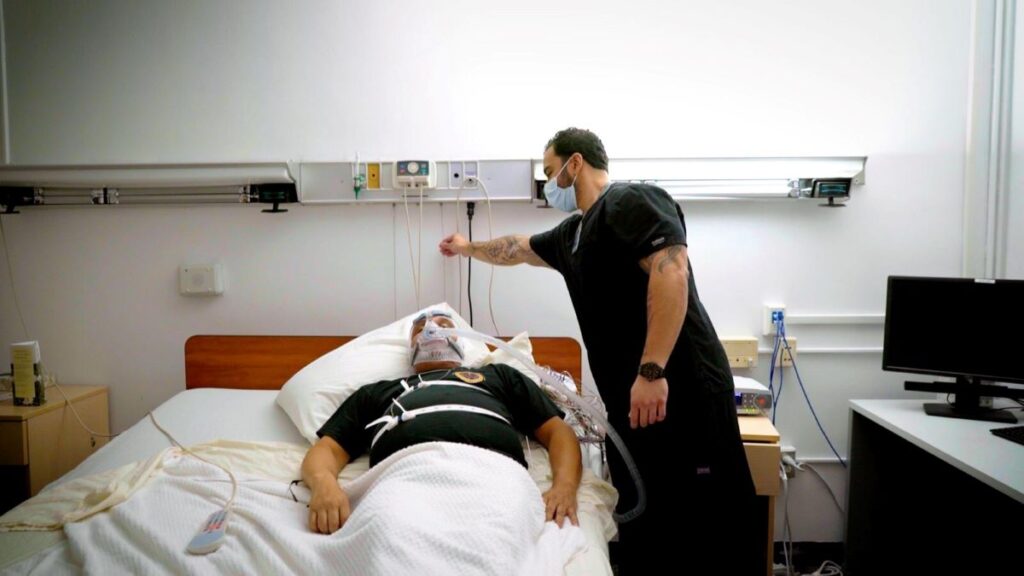
- Ignoring Clinical Context: AI may not account for a patient’s systemic health issues (like sleep apnea or blood pressure fluctuations) that influence glaucoma.
- Technical “Noise”: Treating every statistical fluctuation as a need for surgery. Surgeons must distinguish between “statistically significant” and “clinically significant” changes.
Internal & External Authority References
To further understand the technical and clinical landscape of glaucoma care, consider exploring these areas:
- Internal Link Suggestion: The Role of MIGS in Modern Eye Care
- Internal Link Suggestion: How to Interpret OCT Scans for Glaucoma
- External Reference: The Royal Australian and New Zealand College of Ophthalmologists (RANZCO) Glaucoma Guidelines
- External Reference: Journal of Glaucoma – AI and Deep Learning Studies
Frequently Asked Questions
How accurate is AI in predicting glaucoma progression?
Recent studies indicate that AI models can predict visual field loss with over 80-90% accuracy, often outperforming standard clinical assessment tools by identifying patterns before they are visible on a graph.
Is AI surgery more expensive for patients in Australia?
While the diagnostic software requires an investment from the clinic, the surgery itself (like MIGS) is often covered by private health insurance and Medicare. In the long run, it is more cost-effective than a lifetime of expensive eye drops.
Does the AI perform the surgery?
No. AI is a diagnostic and predictive tool. The surgery is performed by a highly skilled ophthalmologist who uses the AI’s data to personalize the surgical plan.
Can AI predict glaucoma in its earliest stages?
Yes. AI is particularly adept at “pre-perimetric glaucoma,” where the nerve is starting to thin but the patient still has a perfect score on a traditional vision test.
What are the risks of using AI in eye care?
The main risk is “false positives”—where the AI suggests progression that may not be there. This is why human oversight by a qualified surgeon remains mandatory.
Conclusion: Embracing the Predictive Shift
Understanding how AI is predicting glaucoma progression: a new era of personalized surgery is essential for anyone facing a glaucoma diagnosis. We are moving away from a world where everyone receives the same treatment and toward a future where your surgery is as unique as your DNA.
By identifying rapid progressors early and intervening with targeted surgical techniques, we can effectively end the “silent theft” of vision. This technological leap ensures that for many Australians, a glaucoma diagnosis no longer means a guaranteed decline in sight.